Frosted and Famous: How Micro-Creators and TikTok Obsessives Are Deciding Which Donut Shops Win
The New Word of Mouth Has a Ring Light
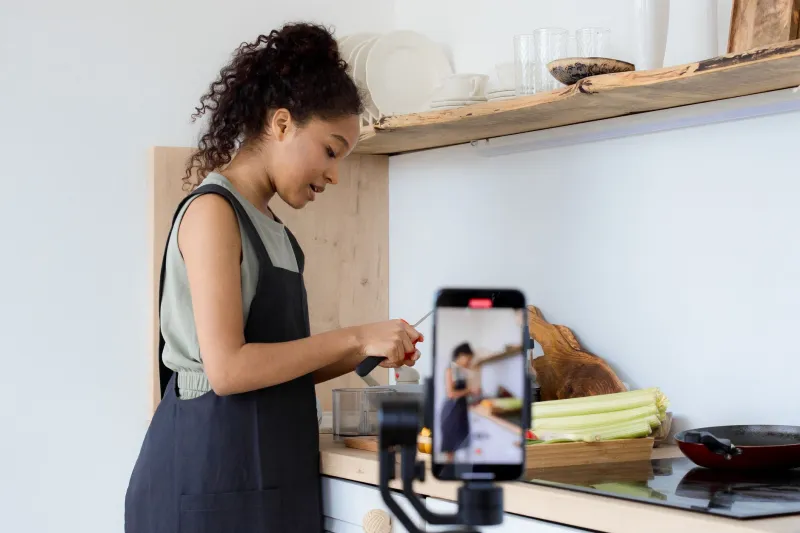
Not long ago, a donut shop's best marketing tool was a hand-lettered chalkboard sign and a loyal regular who'd tell her coworkers about the maple old-fashioned. That's still happening, of course — but now that regular is posting a slow-motion glaze drip to TikTok, tagging the shop, and waking up the next morning to find the bakery's phone ringing off the hook.
Welcome to the donut influencer economy. It's chaotic, it's surprisingly democratic, and it's reshaping which specialty bakeries get to grow — and which ones stay invisible.
The shops thriving right now aren't necessarily the ones with the biggest ad budgets. They're the ones that somehow landed in the right person's feed at the right moment. And increasingly, that "right person" isn't a celebrity with millions of followers. It's a 24-year-old in Columbus, Ohio, with 8,000 TikTok followers and a genuine obsession with fried dough.
Why Micro-Influencers Hit Different in the Food Space
The influencer marketing playbook has shifted hard over the last few years. Brands across industries figured out — sometimes painfully — that mega-influencers with massive followings often deliver weak engagement. Their audiences are broad but not particularly invested. A food creator with 12,000 deeply loyal followers who trust her taste? That's a different animal entirely.
In the donut world specifically, authenticity is everything. Specialty bakeries have built their reputations on craft, on real ingredients, on the idea that someone actually cared when they made this thing. A glossy, obviously-paid-for ad undermines that story instantly. But a genuine video of someone biting into a brown butter cardamom cruller and losing their mind? That lands.
Shops like Little Donut House in Nashville and Donut Friend in Los Angeles have both talked publicly about how their biggest traffic spikes didn't come from paid campaigns — they came from random customer posts that caught fire. One video. One comment section full of "okay I NEED to go here." One weekend of lines around the block.
The Anatomy of a Viral Donut Moment
So what actually makes a donut go viral? Spend enough time on #DonutTok and a few patterns emerge.
Visual drama is non-negotiable. A glaze pour, a cross-section reveal, a filling that oozes in an almost unreasonable way — these are the shots that stop thumbs. Shops that design their donuts with a camera in mind (without sacrificing flavor) are at a structural advantage. Think vibrant colors, unexpected textures, toppings that defy gravity just slightly.
The story matters as much as the shot. TikTok's algorithm rewards watch time, and watch time goes up when people are emotionally invested. A creator explaining that this shop is run by a second-generation Vietnamese-American family using grandma's dough recipe? People stay for that. They share it. They show up on Saturday morning.
Scarcity and seasonal drops are pure fuel. Limited-edition flavors — a strawberry basil filled donut available only on weekends in June, say — create urgency that creators love to broadcast. "Get there before it's gone" is one of the most reliable hooks in food content.
The Economics Behind the Fame
Here's where it gets interesting from a business standpoint. Most of the donut shops benefiting from this creator economy aren't paying for it — at least not in the traditional sense.
Some shops have started formalized creator programs: they invite local food creators in for early tastings of new flavors, offer a free box in exchange for an honest post, or host small "content days" before opening hours so creators can get clean shots without the weekend crowd. The investment is minimal — a dozen donuts and an hour of access — and the return can be thousands of dollars in earned media.
Other shops have gotten traction entirely by accident and then learned to lean into it. When a video blows up, the smart move is to respond in the comments, repost the content to the shop's own channels, and use the moment to introduce the brand's larger story. That's free advertising with a built-in credibility boost.
The shops that fumble it? They either ignore the moment entirely or — worse — respond in a way that feels corporate and stiff. Authenticity is the currency here, and it's easy to spend it badly.
When the Algorithm Giveth and Taketh Away
It's worth being honest about the downsides, though. Viral fame is not a business model. A shop that gets a massive TikTok moment can suddenly face demand it's not equipped to handle — longer lines, overwhelmed staff, product quality dipping under pressure. That's a real problem for small-batch bakeries that built their reputations on care and consistency.
There's also the fickle nature of platform algorithms. TikTok's feed is notoriously unpredictable. A shop that rode one viral wave might find itself invisible six months later, struggling to recreate that lightning-in-a-bottle moment. Building a sustainable business on the back of social media attention requires converting those viral visitors into genuine regulars — people who come back because they love the product, not just because they saw a video.
The savviest shop owners treat social media visibility as a door, not a destination. Getting people in once is the algorithm's job. Keeping them coming back is the donut's job.
What This Means for the Specialty Donut Scene
Zoom out, and the influencer economy has actually been pretty good for the craft donut world overall. It's helped small, independent shops compete in a media landscape that used to favor big chains with real marketing budgets. A family-run bakery in Boise can now reach a food-obsessed audience in Portland or Phoenix without spending a dime on traditional advertising.
It's also raised the bar creatively. When shops know that a genuinely unexpected flavor or a beautiful design can spread organically, there's more incentive to keep pushing. That's good for everyone who loves a great donut.
And maybe most importantly, it's shifted power toward the consumer. The people deciding which bakeries blow up aren't ad executives — they're regular folks with phones and opinions and a serious sweet tooth. For a category built on the idea that great food speaks for itself, that feels about right.
The best donut shops have always known that if you make something worth talking about, people will talk. TikTok just gave everyone a megaphone.