Punched In: How Specialty Donut Shops Became the Loyalty Program Americans Actually Use
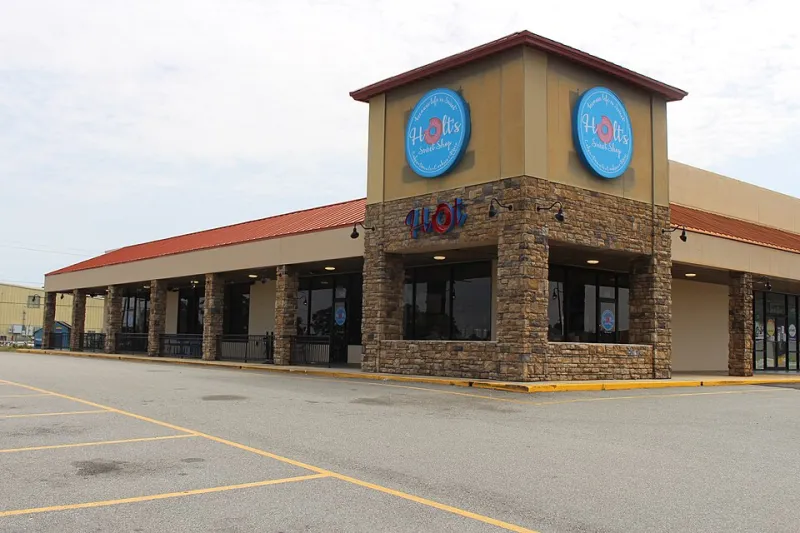
Photo: Michael Rivera, CC BY-SA 4.0, via Wikimedia Commons
There's a worn paper card sitting in Sarah Mendez's wallet right next to her debit card. It's got nine little ink stamps on it — each one shaped like a tiny donut — and she is not losing that thing. "I've deleted like three coffee apps," she laughs, "but I will guard this card with my life."
Sarah isn't alone. Across the country, specialty donut shops are quietly outperforming some of the most sophisticated digital loyalty ecosystems in the food and beverage space. Not with slick apps or blockchain reward tokens — but with seasonal flavors, handwritten punch cards, and the deeply human desire to be part of something delicious.
The Post-Pandemic Dessert Shift
When the world reopened after years of uncertainty, consumer spending on "affordable indulgences" spiked in a way that caught even seasoned food industry analysts off guard. Economists call it the lipstick effect — the tendency to splurge on small luxuries when big ones feel out of reach. Donuts, it turns out, are the new lipstick.
Specialty donut shops — the kind that swap plain glazed for brown butter cardamom or black sesame with toasted coconut — saw foot traffic surge. But more importantly, they saw return traffic. According to data from the National Restaurant Association's 2023 consumer trends report, independent bakery and specialty dessert shops recorded higher repeat-visit rates than fast-casual coffee chains in the 18-to-40 demographic. That's a remarkable stat for a category that, just a decade ago, was dominated by drive-thru windows and gas station pastry cases.
So what's driving the loyalty? It's not just the donuts — though, obviously, the donuts help.
The Power of the Seasonal Drop
Talk to any specialty donut shop owner and they'll tell you the same thing: limited-time flavors are their most powerful retention tool. When a shop announces a pumpkin brown butter old-fashioned is back for three weeks in October, or that a strawberry basil fritter is available only on Saturday mornings, something primal kicks in.
"We call it the drop model," says Marcus Tillman, who runs a six-location donut operation out of Nashville. "We borrowed it from streetwear, honestly. When people know something is only around for a limited window, they don't just come in once — they come in multiple times because they're afraid they'll miss it. And if they're a loyalty member, they get early access. That changes everything."
Early access. That phrase keeps coming up in conversations with shop owners. Loyalty members who get a text or email 24 hours before a new seasonal flavor drops aren't just customers — they're insiders. And being an insider feels good in a way that accumulating app points simply doesn't replicate.
Why Paper Still Wins (Sometimes)
It might seem counterintuitive in an era of digital everything, but plenty of successful donut shops are doubling down on physical punch cards rather than migrating to apps. The reasons are both practical and psychological.
For smaller independent shops, building and maintaining a custom loyalty app is expensive. A stack of punch cards costs almost nothing. But beyond economics, there's something tactile and satisfying about a physical card that a notification badge just can't match. You can see your progress. You can hold it. You know exactly how many donuts stand between you and a free one.
"I had a customer come in and show me her card like it was a trophy," recalls Priya Okafor, owner of a beloved donut shop in Austin. "She had kept every completed card for two years. Two years! She has a little stack of them at home. That's not something you do with a coffee app."
Of course, hybrid models are gaining ground. Shops like Big Donut 55 understand that the best loyalty ecosystems meet customers where they are — whether that's a dog-eared card in a coat pocket or a digital stamp system that syncs with a phone. The medium matters less than the feeling it creates.
Instagram, Exclusivity, and the Rewards That Go Viral
Here's where specialty donut loyalty programs diverge most sharply from their coffee counterparts: the rewards themselves are often Instagram-worthy events. A free coffee is a free coffee. A free "member-exclusive" donut — say, a triple-stacked creation with edible gold leaf that's only available to loyalty members during a shop's anniversary week — is content.
Shops that understand this are engineering their reward tiers to generate social media moments. Loyalty milestone rewards like a personalized dozen, a behind-the-scenes decorating class, or a "name a donut" contest for top-tier members don't just retain customers. They turn those customers into unpaid brand ambassadors with genuinely enthusiastic audiences.
"When someone posts their reward donut with the shop tagged, that's worth more than any ad we could run," says Tillman. "And it makes other people want to be at that loyalty level. It's aspirational."
What Coffee Subscriptions Got Wrong
None of this is to say coffee loyalty programs are failing — the major chains still move enormous volume through their apps. But the subscription model, particularly the monthly-fee coffee subscription that surged in popularity between 2019 and 2022, has shown signs of fatigue. Customers signed up, felt locked in, and eventually churned. The value proposition was transactional: pay a flat fee, get a discount. Fine, but not particularly exciting.
Donut shop loyalty, at its best, feels more like being a regular at your favorite neighborhood spot than a subscriber to a utility. The shop owner knows your order. The seasonal calendar gives you something to look forward to. The punch card is a little story about how many mornings you chose something that made you happy.
The Bigger Picture
What the donut loyalty craze really reflects is a broader consumer hunger — no pun intended — for experiences that feel personal, local, and a little bit special. In a food landscape increasingly dominated by algorithmic recommendations and subscription boxes, the handstamped punch card from the shop two blocks away is a small act of community.
And when that tenth stamp means a free maple old-fashioned waiting for you on a Tuesday morning? That's not just loyalty. That's a reason to get out of bed.