From Morning Ritual to Afternoon Treat: How Donuts Ditched Breakfast and Found a New Identity

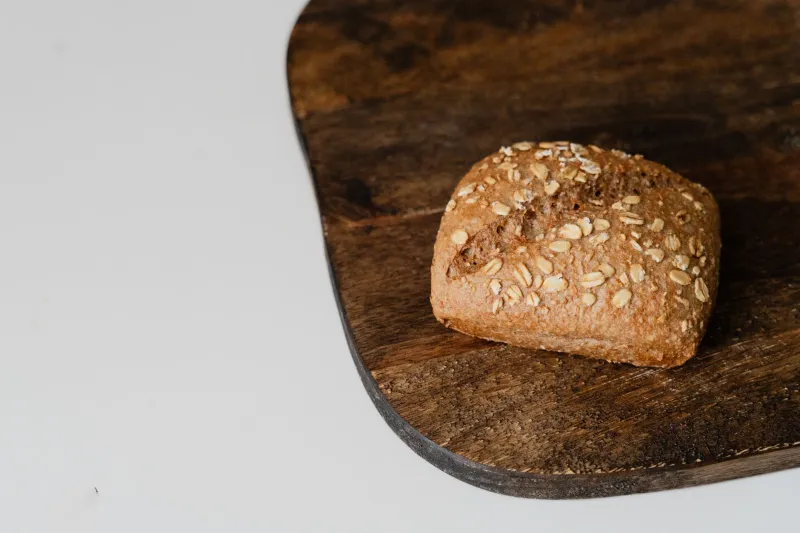
Photo: Roman Eisele, CC BY-SA 4.0, via Wikimedia Commons
For most of the 20th century, the donut was a morning food. It lived next to the coffee maker, came in a pink box, and was gone by 9 a.m. It was functional, familiar, and fast. Nobody called a glazed donut a dessert. It was just breakfast — or a breakfast-adjacent snack that nobody felt great about admitting they'd eaten.
Something changed. And if you've walked into a craft donut shop lately, you've probably felt it without being able to name it exactly. The flavors are different. The timing is different. The whole vibe is different. Donuts have quietly, definitively crossed over from breakfast table to dessert category — and the bakers driving that shift have strong opinions about why.
The Old Morning Model
To understand where donuts are going, it helps to remember where they came from.
The classic American donut shop was built around the commuter. Open early, close by noon, sell coffee and simple glazed rings to people who needed something in their hand before work. Dunkin' (then Dunkin' Donuts) built an empire on this model. So did thousands of independent shops across the country, many of them family-owned and operating on a schedule that started at 3 a.m. and wrapped up before most people had lunch.
The flavors reflected that utility. Glazed. Chocolate frosted. Jelly. Crullers. These were not complex pastries designed to be savored. They were quick, sweet, portable, and cheap. The donut's identity was entirely wrapped up in its function as morning fuel.
When Craft Changed the Clock
The craft donut movement — which really gathered momentum through the 2010s — didn't just change what went into donuts. It changed when people ate them.
As indie shops started pushing into more elaborate flavor profiles — brown butter toffee, Earl Grey custard, black sesame glaze, salted dark chocolate ganache — something interesting happened: those flavors didn't really work at 7 a.m. They were rich. They were complex. They needed attention. And they were competing for headspace with coffee and the morning rush, which is not exactly the ideal setting for appreciating a hand-laminated croissant-donut hybrid with whipped crème fraîche.
Bakers started noticing that their most adventurous offerings sold better later in the day. The 10 a.m. to 2 p.m. window became prime time for specialty items. Afternoon and weekend traffic picked up. The customer who came in at 8 a.m. wanted a classic old-fashioned. The customer who came in at noon wanted something to photograph and share.
Those are two different customers, and increasingly, craft shops are building their business around the second one.
The Science of Flavor Timing
There's actually some food science behind why certain donut flavors hit differently at different times of day.
Our palates are more sensitive to sweetness and fat in the afternoon than first thing in the morning, when we tend to crave simpler, more savory or lightly sweet flavors. A dense, heavily filled donut with a rich glaze can feel overwhelming at 7 a.m. but genuinely satisfying at 1 p.m. — the same way most people wouldn't choose a chocolate lava cake for breakfast but would happily order it after lunch.
Craft bakers who've leaned into afternoon and dessert positioning are, knowingly or not, working with this biology. They're designing flavors — and scheduling their release times — around when the palate is actually ready for them.
Some shops have gotten very deliberate about this. Certain specialty flavors only drop at 11 a.m. Others release limited afternoon items at noon. It's not just scarcity marketing (though that's part of it). It's flavor-timing strategy, and it's reshaping how customers interact with the donut case.
The Dessert Repositioning
Walk into a well-regarded craft donut shop today and pay attention to the language. Menus use words like "custard," "ganache," "compote," "brûlée," and "coulis." These are dessert words. Pastry words. Fine dining words.
That vocabulary is doing work. It's repositioning the donut — not as a quick morning grab, but as a considered, indulgent, dessert-adjacent experience. And consumers are responding.
Data from food industry tracking in recent years consistently shows that specialty donut purchases skew toward midday and afternoon, with Saturday and Sunday being peak days — not Monday through Friday mornings. People aren't grabbing craft donuts on the way to work. They're visiting craft donut shops as a destination, often as part of a weekend outing, a post-brunch treat, or a deliberate afternoon indulgence.
That's dessert behavior, not breakfast behavior. And it has real implications for how shops operate.
How Bakers Are Responding
Smart craft shops are leaning into this shift rather than fighting it.
Some have dropped early morning hours entirely, opening at 9 or 10 a.m. and focusing their energy on quality over early-bird volume. Others have created explicit "afternoon menus" with richer, more dessert-forward offerings that go up after 11. A few have started pairing with local coffee roasters or tea brands to position the mid-morning donut run as a full sensory experience rather than a quick fuel stop.
There's also been a notable move toward donut-as-dessert in non-traditional settings. High-end restaurants serving artisan donuts as a dessert course. Catering companies offering specialty donut towers at weddings and corporate events. Craft shops partnering with local ice cream makers for donut-sundae mashups that are very much not breakfast.
All of it points in the same direction: the donut is growing up. Or at least, it's growing sideways — out of the morning and into a more expansive role in American food culture.
What the Classic Shops Think
Not everyone in the donut world is on board with this evolution, and that tension is part of what makes the conversation interesting.
Older-school operators — the ones whose shops have been open since 5 a.m. for forty years — sometimes look at the craft movement with a mix of admiration and skepticism. They built their businesses on accessibility, affordability, and the simple pleasure of a donut with a cup of coffee at sunrise. That's a real thing, and it's not going away.
The best answer to the breakfast-versus-dessert question might be that the donut is big enough to be both — that there's room for the $1.50 glazed ring at dawn and the $5 crème brûlée donut at noon, and that the American donut's real identity has always been its refusal to be just one thing.
But if you're visiting a craft shop on a Saturday afternoon and you're wondering what to order — go with something rich. Your palate is ready for it.