The Cider Donut Was Here First: How Fall Ate the Bakery Calendar
Every September, the same thing happens. Somewhere around the second week, a bakery in your town posts a photo of its first cider donut of the season, the comments fill with pumpkin emojis, and just like that, fall has officially begun — no calendar required.
Autumn owns the American donut case in a way no other season can claim. But the pumpkin spice empire is actually the young upstart in this story. To understand how fall won, you have to start on a Massachusetts hillside, a couple hundred years ago.
The Original Fall Donut
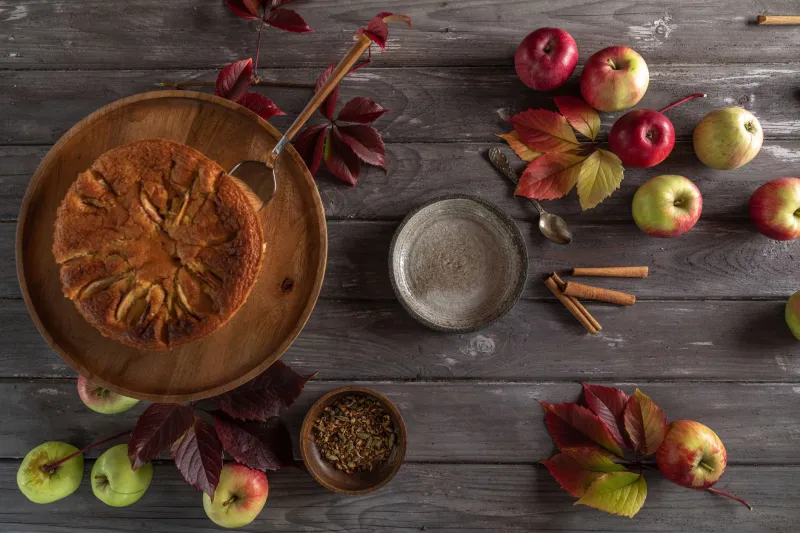
Cider donuts trace back to colonial-era cider mills, where apple presses worked overtime each autumn and fresh cider was a daily staple. The origin story most bakers tell involves farms using spent cider and mill byproducts in fried dough — a practical, thrifty way to make use of every bit of the harvest. What started as Yankee frugality hardened into tradition, and by the 20th century, the cinnamon-sugar cider cake donut was as inseparable from New England October as leaf traffic and high school football.
What makes the cider donut enduring rather than gimmicky is its texture-first logic. It's a cake donut — dense, moist, slightly tangy from the cider — rolled in sugar while still warm so the coating half-melts into a crust. No glaze required. No filling. It was the original minimal-effort, maximal-payoff seasonal product, and it still outsells nearly everything else at orchard stands across the Northeast every fall.
Then Came the Pumpkin Industrial Complex
Pumpkin spice's takeover is a much more recent — and much more calculated — phenomenon. What began as a coffee-chain seasonal experiment in the early 2000s metastasized into an entire flavor economy. Today, pumpkin spice is a multi-hundred-million-dollar category that touches everything from oat milk to dog treats, and donut shops were never going to be exempt.
The result: every September, donut cases nationwide fill with pumpkin old-fashioneds, pumpkin-glazed yeast rings, and pumpkin-cream-filled everything. Some are excellent. Some taste like a scented candle. The difference, bakers will tell you, is whether the spice blend is supporting real pumpkin or impersonating it.
Bakers Are Getting Weird — In a Good Way
The most interesting thing happening in fall donuts isn't pumpkin at all. It's what craft bakers are doing around the pumpkin.
Talk to shop owners in September and October and you'll hear about a genuine arms race in autumn flavors. Maple-bourbon glazes. Brown butter pecan. Chai-spiced cake donuts. Roasted butternut squash with brown sugar. One baker we spoke with does a sweet potato donut with torched marshmallow that sells out faster than anything else on the menu — fall flavors hiding in plain sight under different names. Another swears by a huckleberry-apple combo that tastes like October in the Pacific Northwest.
The pattern is clear: cider and pumpkin bring people in the door, but the shops winning the season are the ones treating fall as a broad flavor palette rather than a two-note playlist.
So What's Next? Winter and Spring Are Plotting
Fall's dominance raises an obvious question: can any other season mount a challenge? Bakers are betting on a few contenders.
Winter's dark horse: citrus. Blood orange, clementine, and Meyer lemon donuts offer brightness against heavy holiday spice, and a growing number of shops are countering December's cinnamon-clove overload with citrus-glazed rings. Add in gingerbread, peppermint, and the ever-reliable chocolate-peppermint combo, and winter has real ammunition.
Spring's play: floral and fresh. Lavender, jasmine, and earl grey glazes have been creeping onto craft menus for a few years now, usually paired with honey and lemon. Strawberry season gives bakeries a legitimate farm-fresh story in May and June, and rhubarb — the internet's favorite underrated produce — is having a moment in filled donuts.
And summer? Stone fruit. Peach-glazed donuts are quietly becoming the cider donut of July in peach-growing regions, and some bakers think a properly executed peach cobbler donut could be the next viral seasonal item.
Will any of it dethrone fall? Probably not. Cider donuts have a 200-year head start and a sense of place no marketing campaign can fake. But the seasonal arms race means one thing for certain: whatever month it is, there's a very good donut waiting somewhere with a reason to exist.
The donut case, it turns out, has a calendar now. Fall just wrote most of it.